
| ?? | About the journal | | | Subscriptions | | | Authors | | | Users | | | Librarians | | | FAQs |
 |
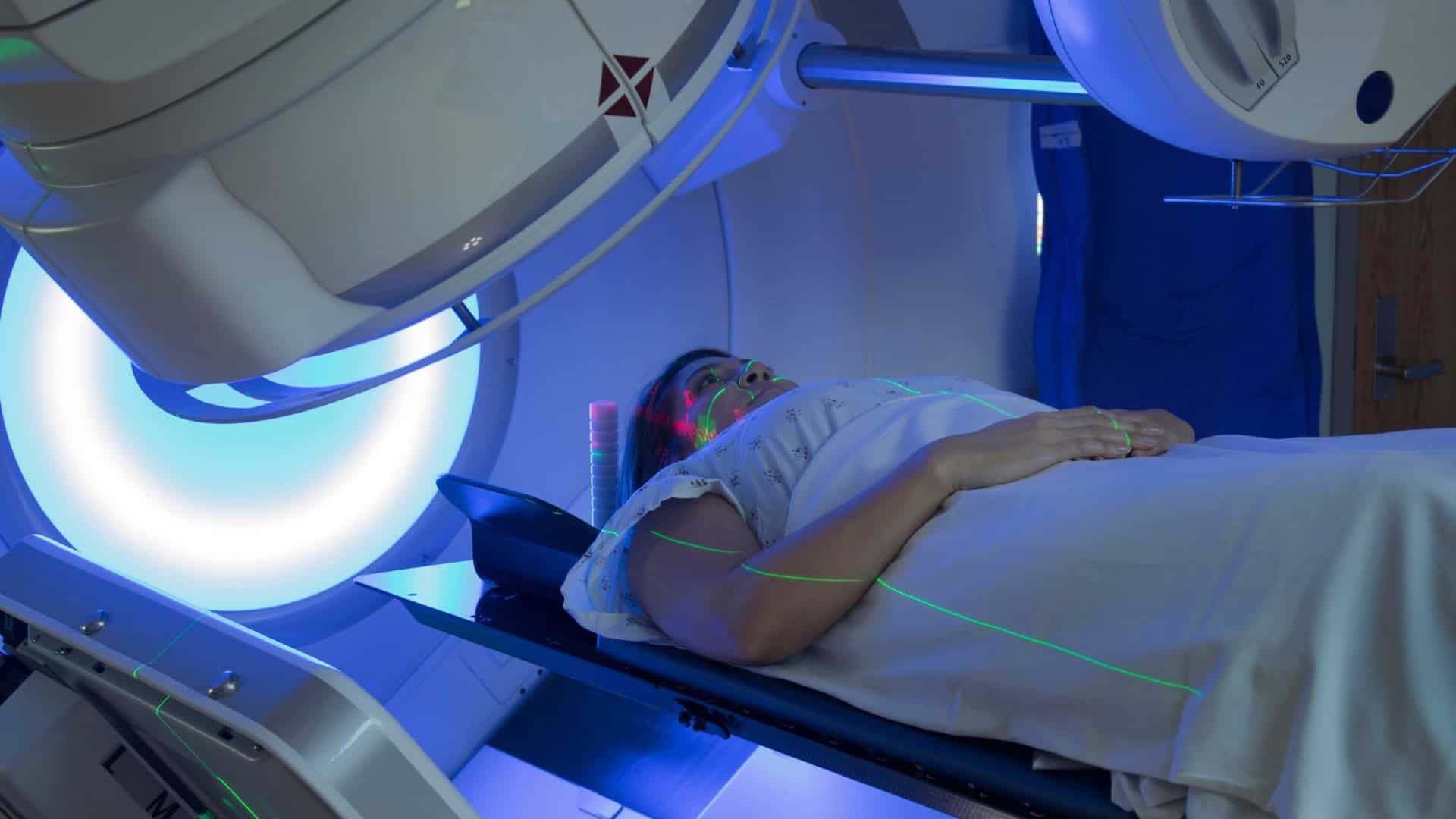 What Patients Should Know About Planning for Radiation Treatment?When you’re told you’ll need radiation, planning is the quiet but crucial first step that shapes everything that follows. You’ll go through a CT simulation where your team carefully positions you so treatments can target the same area every day. You’ll also need certain documents, possibly special prep like fasting, and a clear idea of what the next few weeks look like. Before you walk into that first appointment, there’s something important you should know. What Happens During Radiation Treatment PlanningWhen it's time to plan your radiation treatment, the process usually begins with a CT simulation in the radiation oncology department. During this appointment, your care team creates a detailed image-based map of the tumor and surrounding normal tissues to design a treatment plan that delivers radiation as precisely as possible. You will lie on a treatment couch while radiation therapists position you in a stable and reproducible way. Depending on the treatment area, they may use devices such as a head or face mask or a Vac-Lock body mold to help you stay in the same position for each session. Small permanent tattoos or temporary ink marks on your skin are used with room lasers to align your body consistently. In some cases, you may be asked to follow specific breathing instructions (such as breath-hold scans), receive contrast dye for clearer imaging, or follow bladder and bowel preparation instructions to ensure internal organs are in a similar position each time. After the imaging is complete, dosimetrists, medical physicists, and your radiation oncologist use specialized planning software to outline the tumor and nearby organs and to calculate the appropriate radiation dose and beam angles. They review multiple plan options to balance effective tumor treatment with protection of normal tissues. Before your first treatment, medical physicists perform machine-specific quality assurance tests on the plan to verify that the planned dose and delivery settings are accurate and meet safety standards. Only after these checks are completed is the plan approved for clinical use. Planning becomes more demanding still for high-precision techniques. With stereotactic radiotherapy, where a large dose is delivered in only a handful of sessions, the margins around the tumor are tighter and the positioning checks stricter. London clinical oncologist Dr James Wilson offers it for lung cancer using linac, CyberKnife and MR-Linac systems, and his treatment page walks through how each system changes the planning process and which patients tend to suit which machine. How to Prepare for Your First Planning VisitBefore you arrive for your first planning (CT simulation) visit, it's useful to know what to bring and what to expect so the appointment can proceed efficiently. Bring any requested medical records, such as recent CT or MRI scans, pathology reports, a current medication list, your insurance cards, and a photo ID. Ask your care team in advance if you need to follow any special preparation, such as fasting, drinking a certain amount of water to fill your bladder, using bowel prep, or following specific breathing instructions. If contrast dye will be used, your team may review recent blood tests to assess kidney function. Inform them if you're pregnant or think you could be, and discuss appropriate contraception during treatment if relevant. Wear comfortable clothing that's easy to change out of, and plan for the visit to last about 30–45 minutes, although the exact time can vary depending on your treatment plan. What to Expect at Your CT SimulationAlthough each center has its own routines, a CT simulation visit usually lasts about 30–45 minutes and is used to map the exact area that will receive radiation. The team will position you in the same way you'll lie for each treatment session, often using a mask or a Vac-Lock mold to help keep your body in a consistent, stable position. Small skin marks or tiny permanent tattoos may be placed to align with the treatment room lasers; these are important for accurate daily setup and shouldn't be scrubbed or picked at. Depending on the part of the body being treated, you may receive specific instructions, such as holding your breath, arriving with a full or empty bladder, or receiving contrast dye through an IV to make certain structures easier to see. The CT scan itself is painless and typically takes about five minutes while you lie still. You can speak with the care team before, during brief pauses, or after the scan if you have questions about what's happening or what to expect. If you would like a second description of the same appointment before you attend, Cancer Research UK's guide to planning your external radiotherapy covers the scan, the positioning aids and the tattoo marks in similar detail. How Your Team Builds and Checks Your Radiation PlanAfter your CT simulation, your care team uses those images to create a detailed radiation treatment plan specific to your anatomy and tumor. Your radiation oncologist, dosimetrist, and medical physicist use specialized planning software to determine the radiation dose, number of treatments (fractions), and beam directions. The goal is to deliver enough dose to the tumor while limiting exposure to nearby normal tissues and organs. The planning process usually takes between 1 and 7 days, depending on the complexity of the case. After the plan is created, it undergoes quality assurance and physics checks to confirm that the treatment machine can deliver the plan safely and accurately. Your radiation oncologist then reviews and approves the final plan. During the course of treatment, periodic imaging is used to verify your positioning, and the plan may be adjusted if there are significant changes in your anatomy or tumor position. What to Expect When Daily Radiation Treatments StartOnce your radiation treatments begin, you'll usually have one session per day, Monday through Friday, for several weeks. Each visit typically lasts about an hour, although the actual delivery of radiation takes only a few minutes. For each session, the therapists will position you in the same way as during your CT simulation. They'll align small skin tattoos or marks with laser lights to ensure accuracy. In many cases, they'll take X-ray or other imaging before treatment to confirm the treatment area is correctly targeted. You won't see, smell, or feel the radiation as it's being delivered. The treatment itself is painless. During the actual radiation, the therapists leave the room, but they monitor you on a camera and can speak with you through an intercom. They can stop the treatment at any time if you report discomfort or if they notice anything unusual. Additional imaging is done regularly, often weekly, to verify your position and confirm that the treatment is being delivered according to the plan. These checks are for setup accuracy and quality assurance; they aren't used to evaluate tumor response in real time. Questions to Ask and How Follow-Up WorksDuring your radiation planning and treatment, having specific questions prepared can help you stay informed and involved in each step of your care. You may want to ask your radiation oncologist how many treatments are planned, which areas will be treated, and what side effects are expected during therapy and in the longer term. Clarify when your first on‑treatment visit will occur (often weekly) and what factors might lead to changes in your treatment plan. Ask who's responsible for reviewing your plan and how often the treatment machines are checked for accuracy and safety. Before treatment begins, confirm the date and time of your setup or “simulation” appointment. Ask how skin marks or small tattoos and laser lights will be used to position you the same way each day, how X‑rays or other images will be compared to your original planning (simulation) images, how frequently imaging will be used to verify your alignment, and whether any additional scans are expected over the course of treatment. ConclusionAs you move from planning into daily radiation treatments, remember you’re not alone. Your team’s goal is to target cancer while protecting healthy tissue and supporting you through side effects. Ask questions, bring a support person when you can, and keep track of symptoms or concerns. Stay involved in follow-up visits so your team can adjust care as needed. By understanding each step, you’ll feel more prepared, confident, and in control. |


|

